Hotel.de
The Brief
Hotel.de is a website owned by HRS and is one of the most commonly used websites in Germany for booking hotels, particularly for business trips. Their ambition was to own the 'Explorer' business travel segment. The challenge was how to help them create and sustain long-term customer relationships in a commoditized marketplace, against competition with deeper pockets.
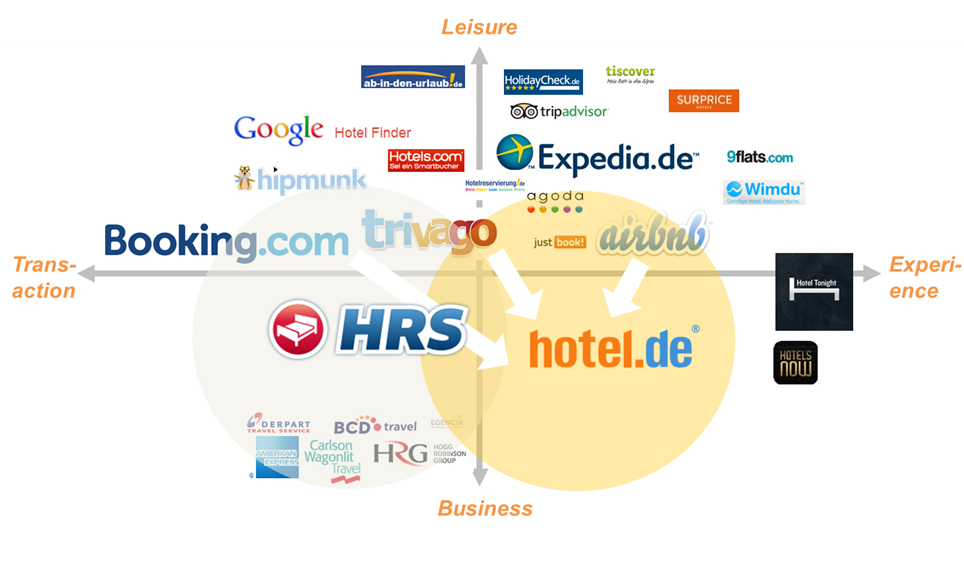
Discovery Phase
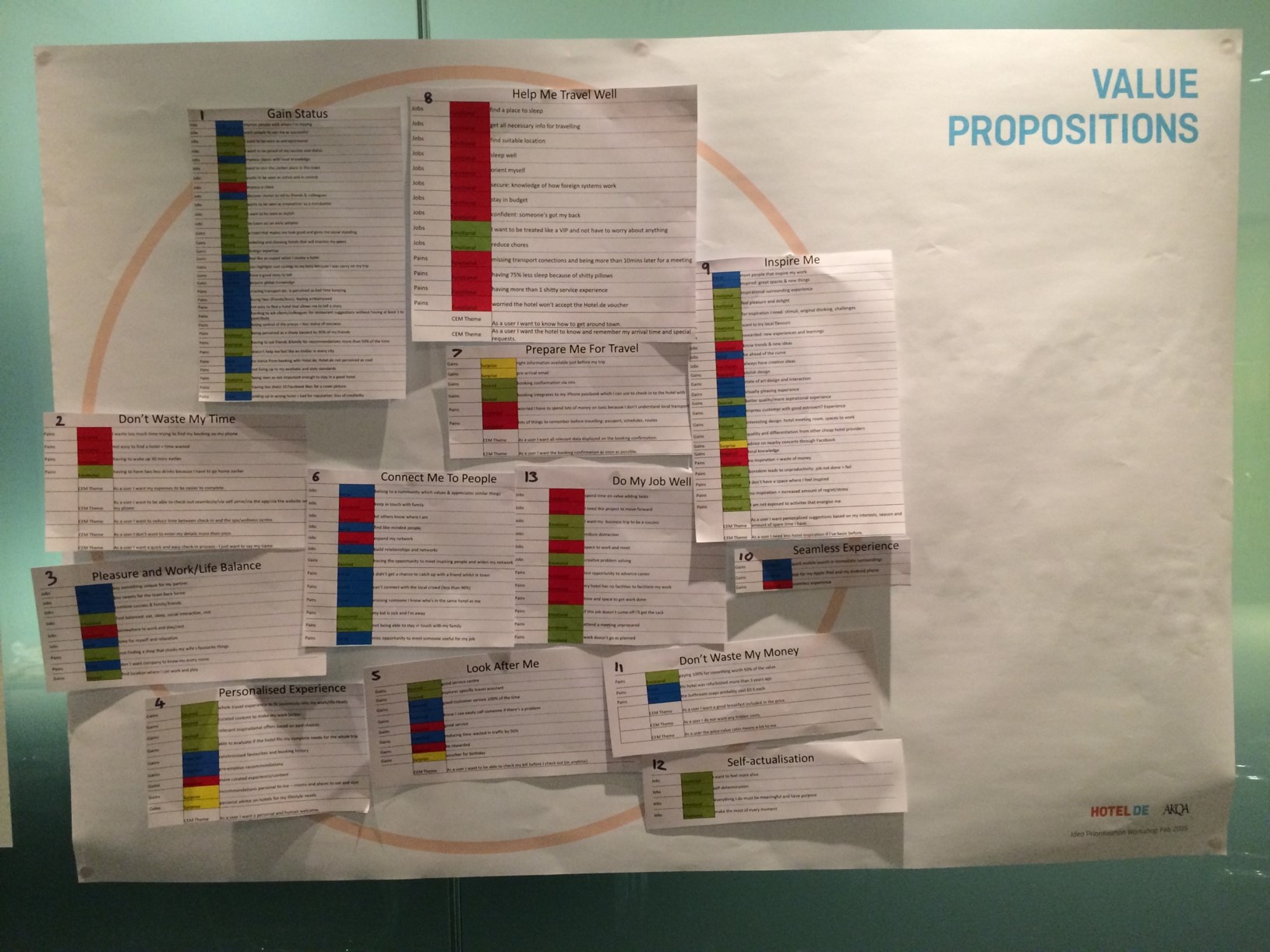
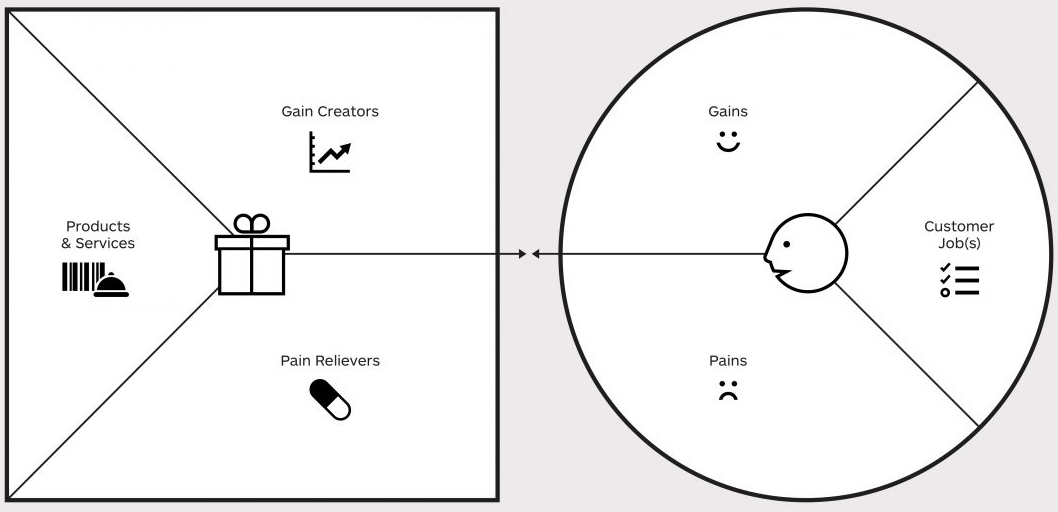
Before starting any research a value proposition canvas was performed with the existing staff to see if they themselves thought the products and services were meeting the customer needs, or at least what they thought were the customer needs.
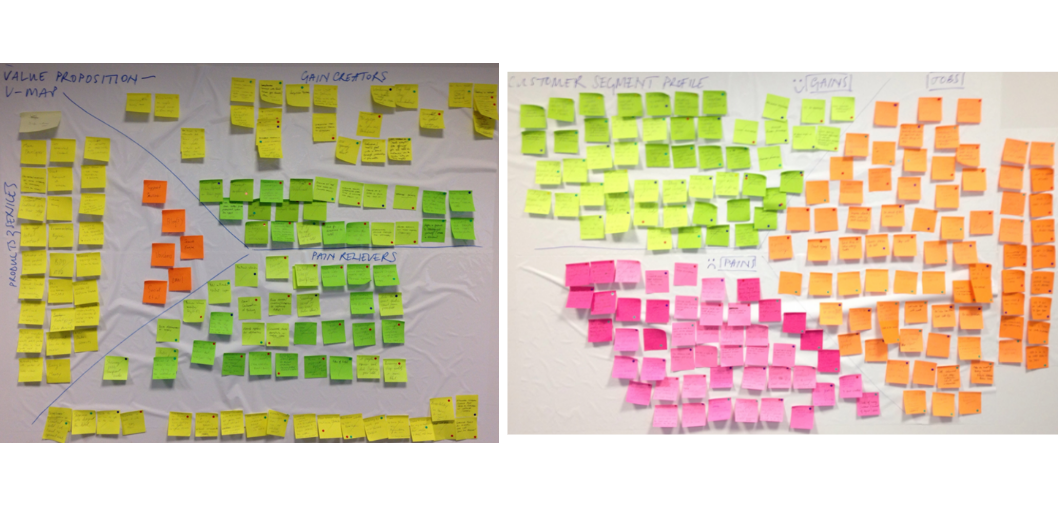
The next step was to find the most suitable travellers to perform user interviews with. Travellers with the 'Venturer' psychographic personality type were chosen to best target travellers that would likely fall into the 'Explorer' travel segment that was the client's chosen target market.
User Interviews
User interviews were carried out by an independent user research company on 12 travellers that matched the 'Venturer' psychographic personality type.


Customer Experience Map
After going through the interview transcripts I thought the best way to portray all of this information was to create a Customer Experience Map, so we could not only map the data in terms of stages within the travel journey but also by several other themes;
- Hotel.de Touchpoints (to see what customers were using on the existing site)
- 3rd Party/Competitor Touchpoints (to see what the site was missing)
- Opportunity for Inspiration (to see when travellers were receptive to suggestions)
- Themes/Areas of Opportunity (to see what common themes were arising at each point for multiple interviewers)
- Customer Jobs, Customer Pains and Customer Gains (to map back to a value proposition canvas for future use)
The Customer Jobs, Pains and Gains were split out into Emotional, Social and Functional points so they could be associated to Maslow's Hierarchy of Needs to ensure we weren't just solving the functional needs at each stage and could build more engagement with the travellers by meeting their social and emotional needs too.
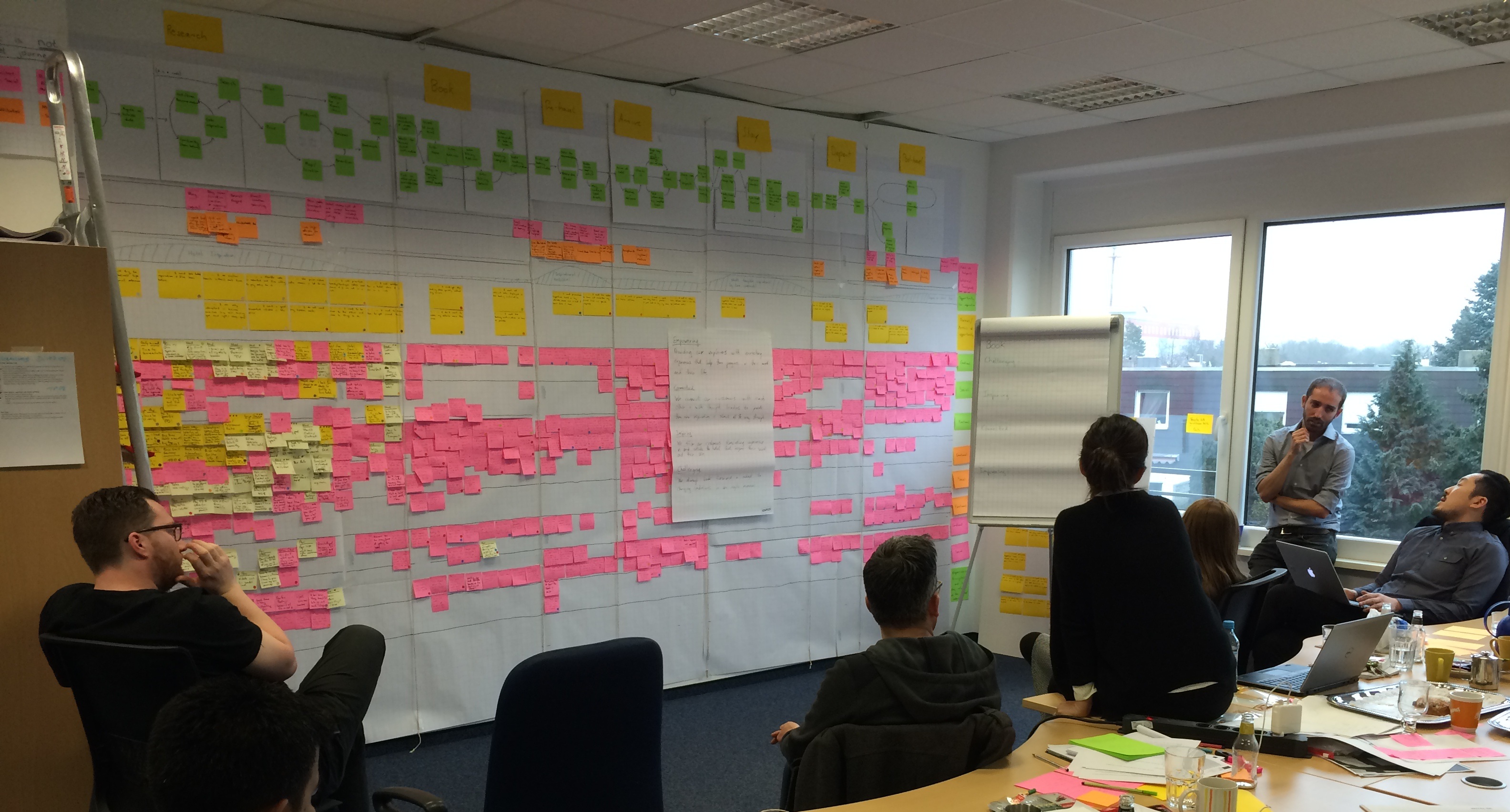
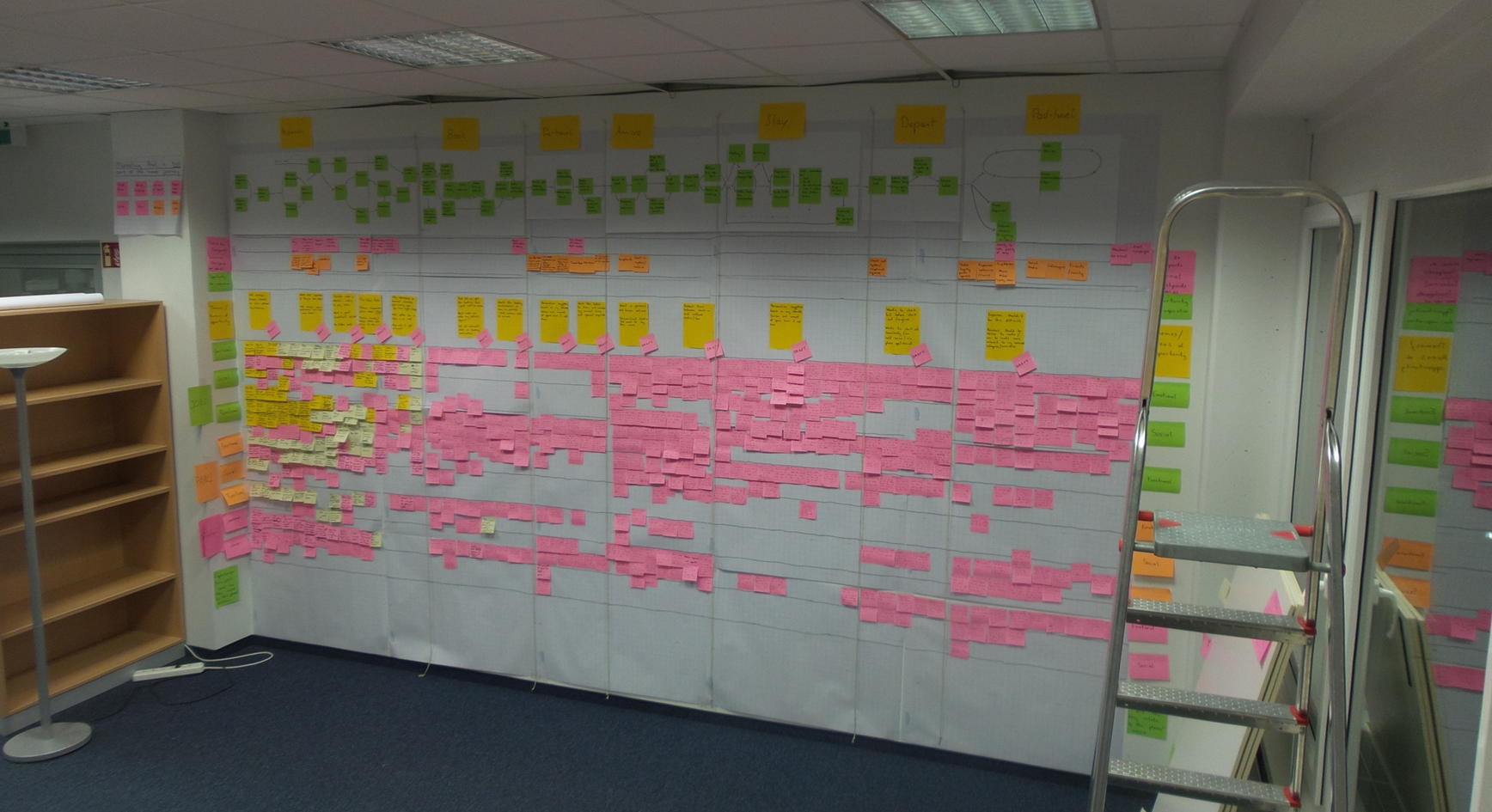
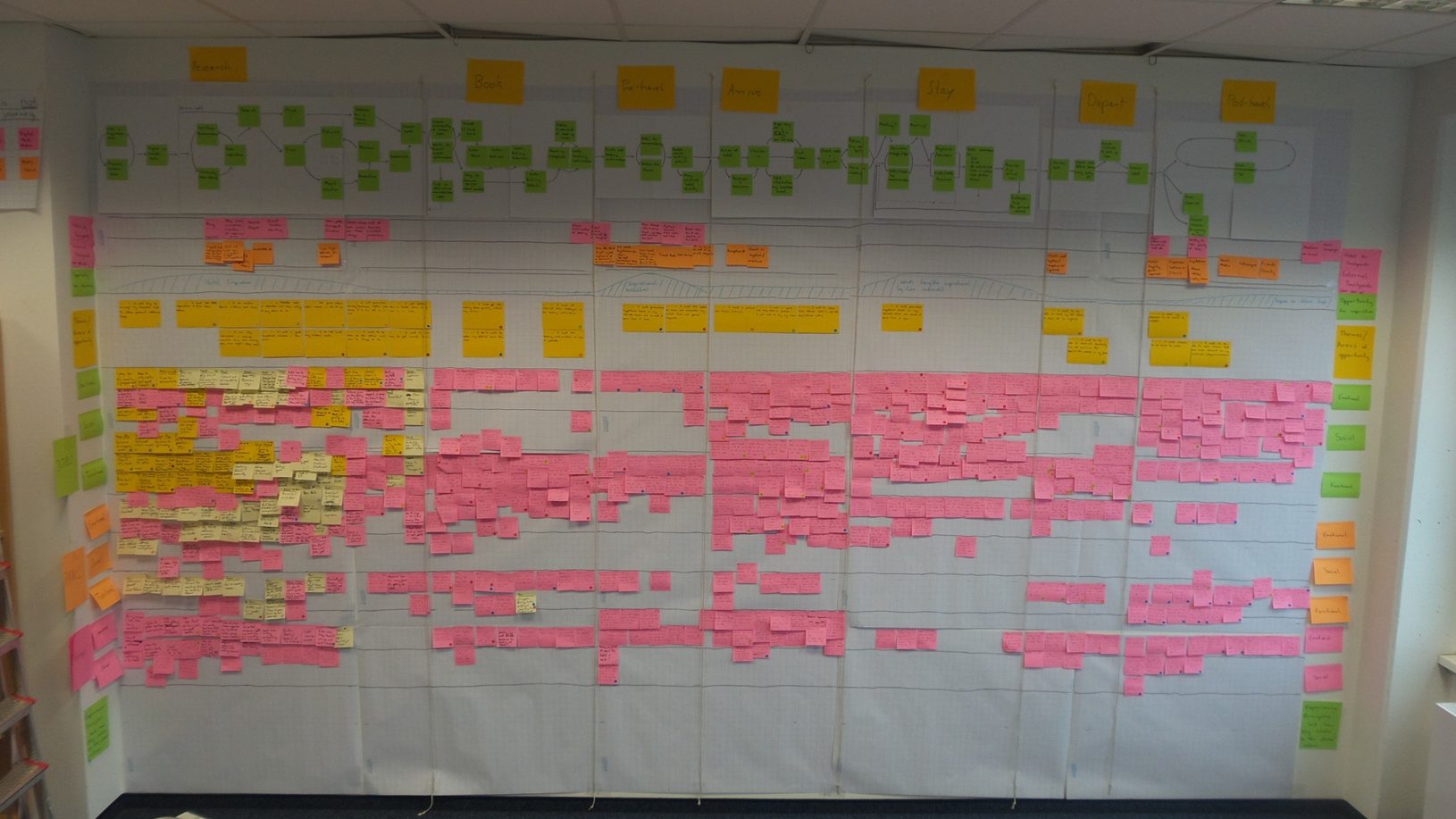
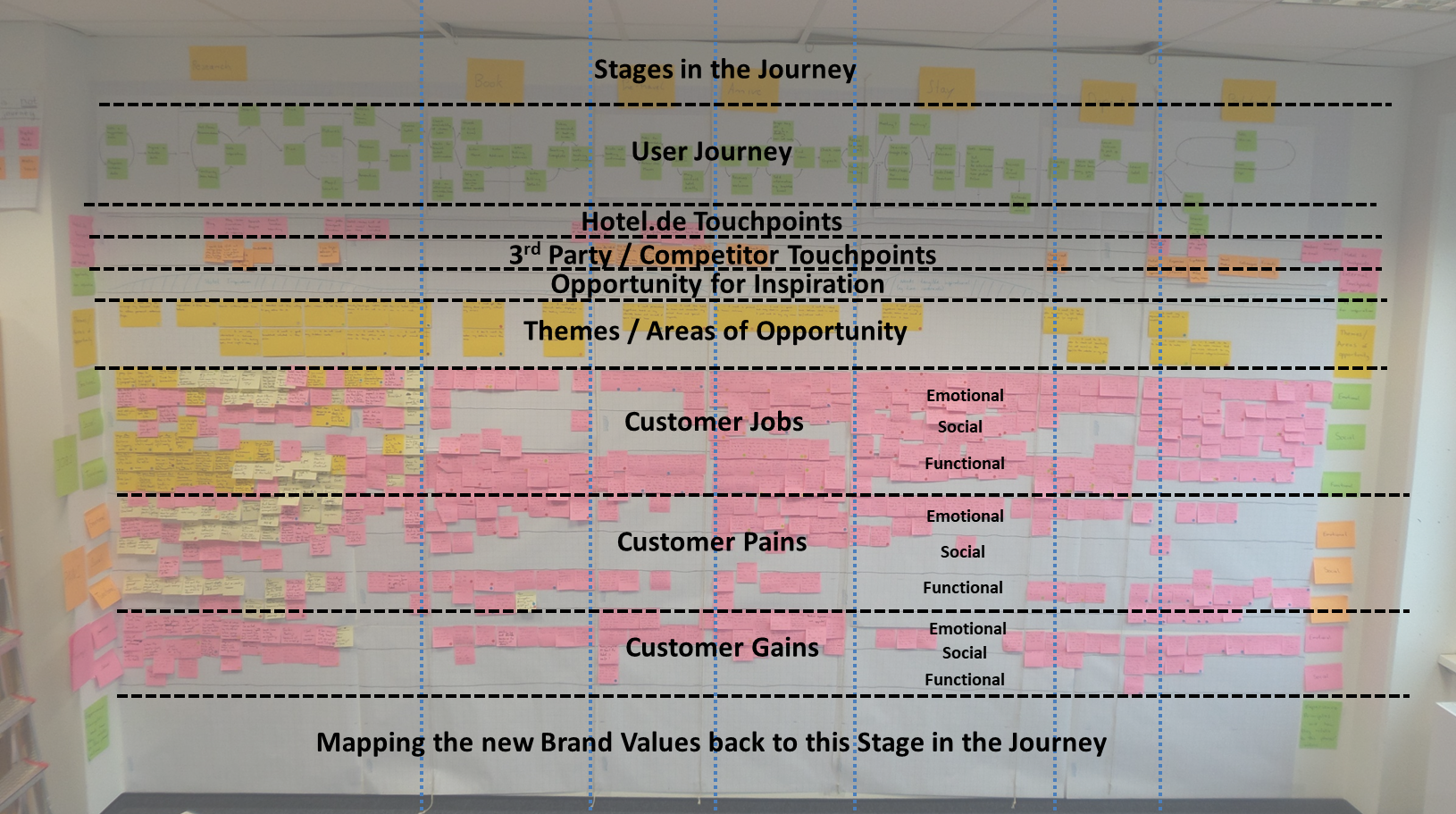
A digital version of the Customer Experience Wall was created to help make things easier going forwards (especially as the post-it note version I created was in the client's office in Nuremberg and I was usually based in London!)
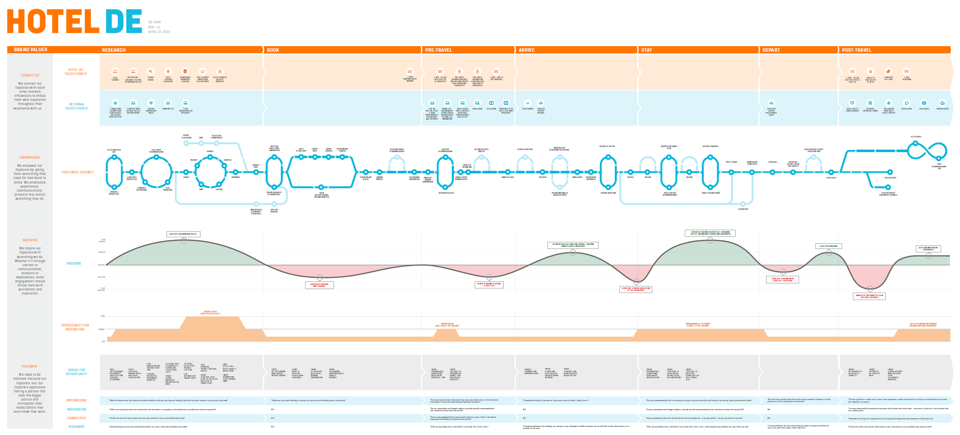
Concepting
After completing the Customer Experience Map the next step was to use this to help guide ideation of what features, concepts and business ventures could be proposed that would not only help solve existing user needs but also make Hotel.de more appealing to their new target market of 'Explorers'
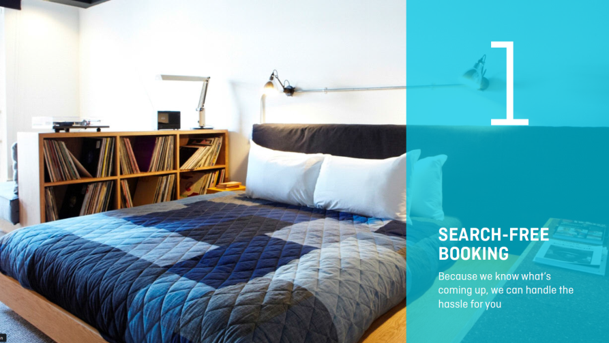
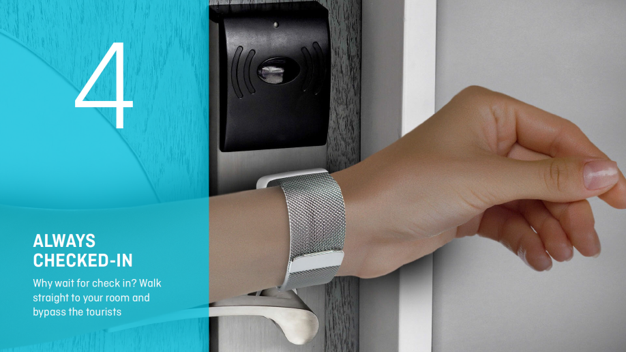
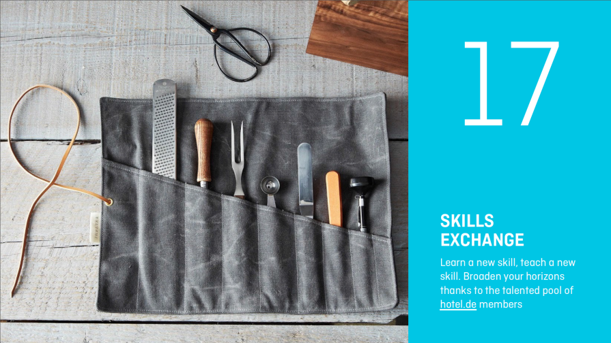
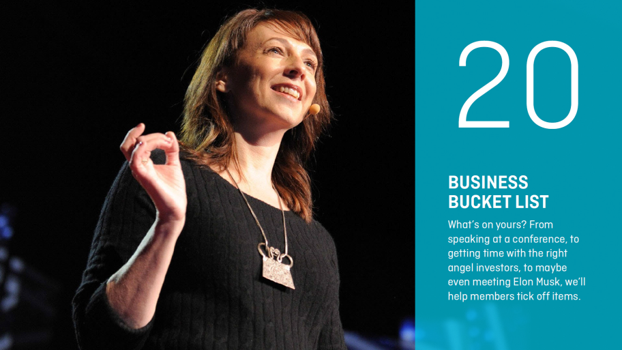
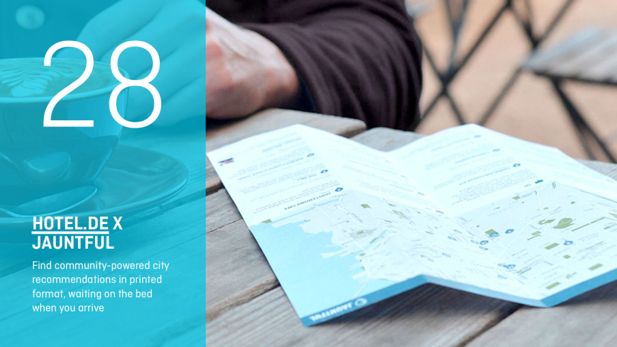
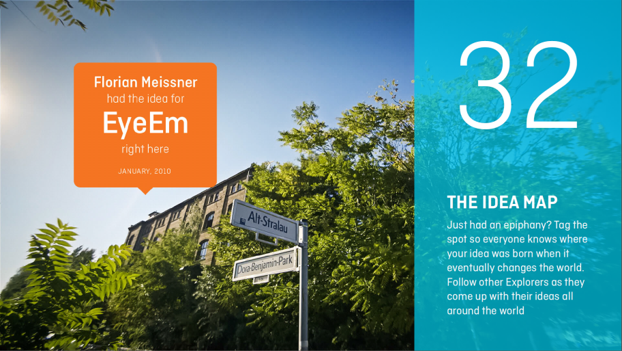
Reviewing Concepts with the Client
When reviewing each concept with the client a variety of methods were used to help show;
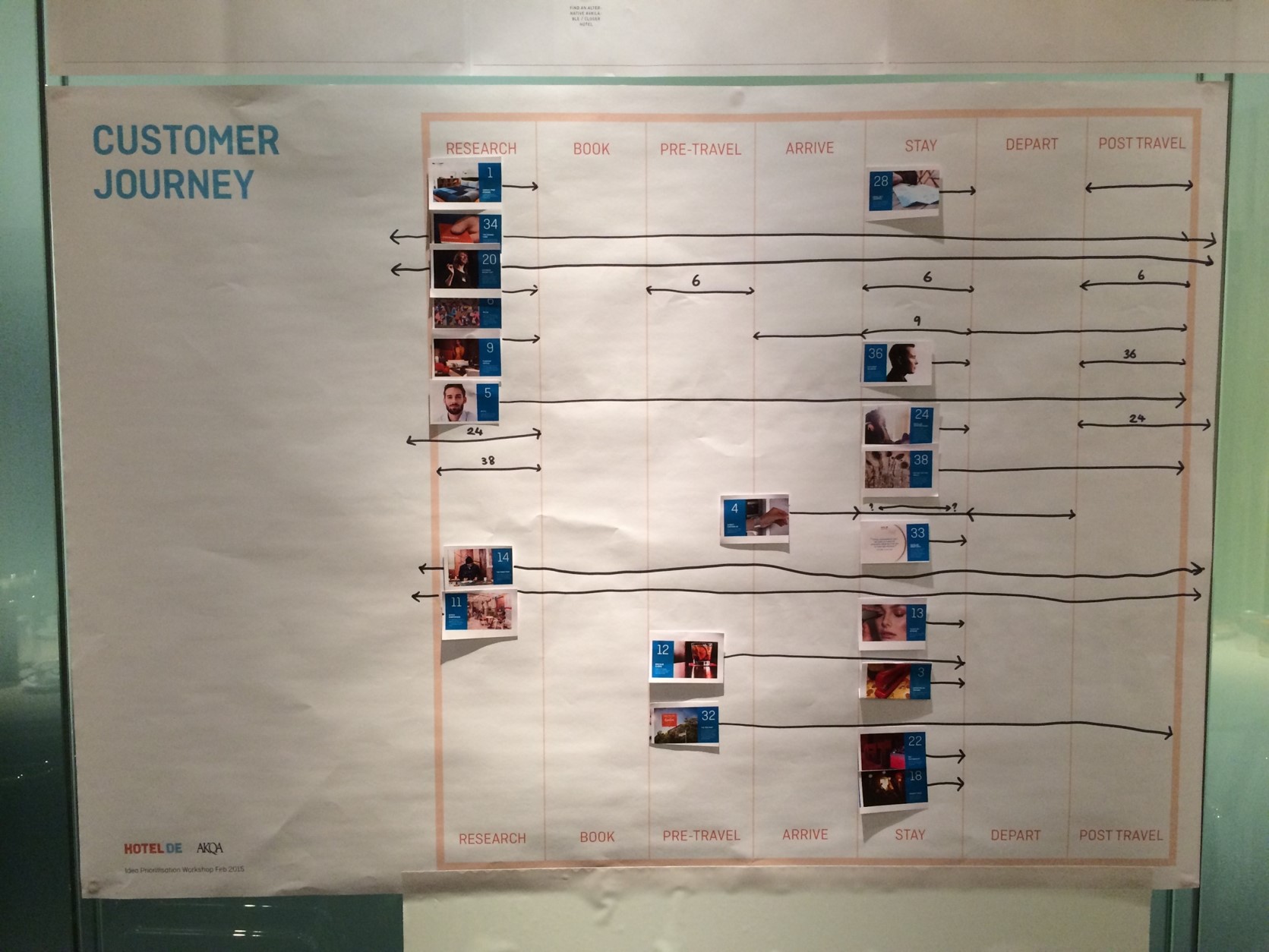
- how many stages in the customer's travel journey would the concept have a noticeable impact
- which concepts mapped best to the value proposition and solved/related to the most prevalent pains/gains found from the interviews
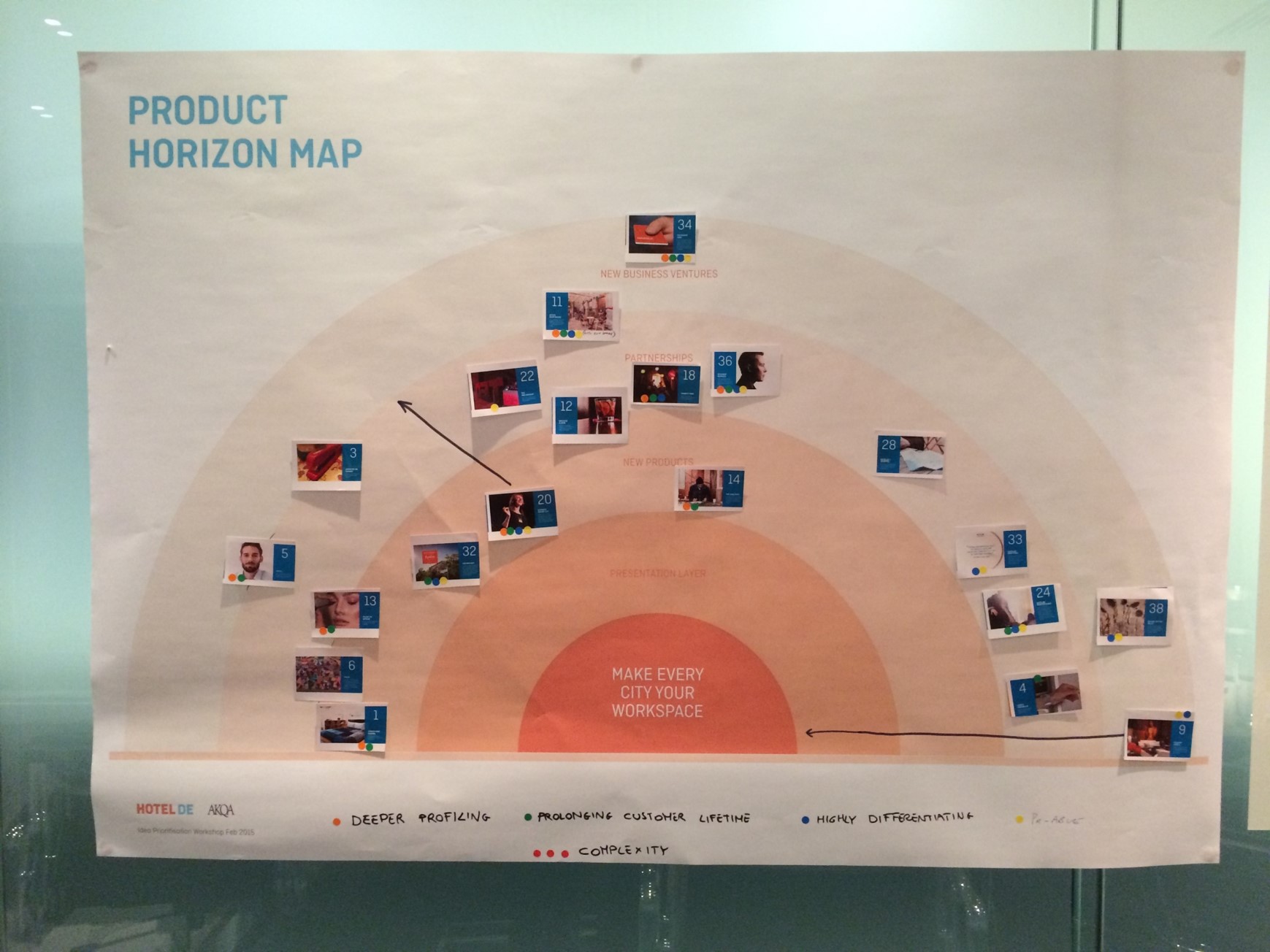
- how much time and resource would it realistically take to roll out each concept, and so how far away on the horizon would it likely be before an impact could be seen